
Understanding Mug Sizes: Ounces vs Millilitres
Buying a mug should be simple, but then you see one listed at 12oz, another at 350ml, and suddenly you're doing mental gymnastics over your morning brew. Sound familiar? You're not alone. Here’s a straight-talking guide to mug sizes — no conversion chart tattoo required.
Ounces vs Millilitres: What's the Difference?
Let’s start with the basics:
● 1 ounce (oz) = roughly 29.5 millilitres (ml)
● So a 12oz mug = about 355ml
● And a 350ml mug = just shy of 12oz
It’s not a massive difference, but if you’re chasing precision (or trying to match mugs in a set), it helps to know which unit you're working with. UK brands tend to list in ml, while many international or US-made mugs use oz.
● 1 ounce (oz) = roughly 29.5 millilitres (ml)
● So a 12oz mug = about 355ml
● And a 350ml mug = just shy of 12oz
It’s not a massive difference, but if you’re chasing precision (or trying to match mugs in a set), it helps to know which unit you're working with. UK brands tend to list in ml, while many international or US-made mugs use oz.
Common Mug Sizes and What They Hold
Here’s a rough breakdown of what you can expect from each size:
Espresso, small tea or kiddie hot chocolate
Standard tea or coffee, everyday mug
Big brews, soup mugs, lazy Sunday cuppas
Travel mugs, soup bowls, caffeine emergencies
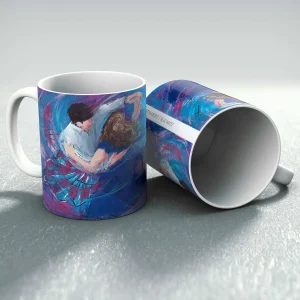
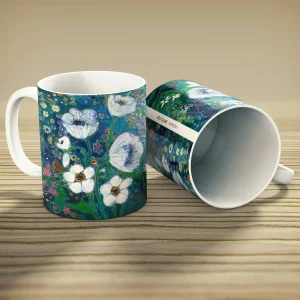
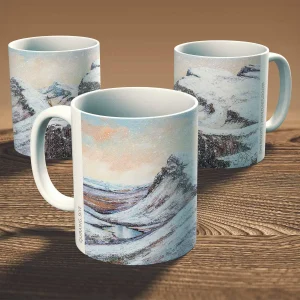
Our ceramic mugs generally sit in the 10–12oz sweet spot — roomy but not ridiculous, perfect for your morning fix without going full vat.

Why Size Matters (and Why It Sometimes Doesn’t)
While size might not be the most thrilling topic, it does affect things like:
● Brew strength – more water can mean a weaker cuppa unless you adjust your teabag or coffee.
● Microwave reheats – larger mugs take longer to heat evenly.
● Cup holders – especially if you’re using your mug at work or on the move.
If you’re gifting, aim for the middle ground. A standard 12oz mug is safe for most folks. If they’re tea-mad or coffee-obsessed? Go bigger. Just don’t assume “bigger = better” - sometimes it just means more cold tea.
For more buying tips — including mug materials, shapes, and what to avoid - have a peek at our full Mug Buyer’s Guide: Ceramic Edition. No fluff, just mugs that actually fit your life.
● Brew strength – more water can mean a weaker cuppa unless you adjust your teabag or coffee.
● Microwave reheats – larger mugs take longer to heat evenly.
● Cup holders – especially if you’re using your mug at work or on the move.
If you’re gifting, aim for the middle ground. A standard 12oz mug is safe for most folks. If they’re tea-mad or coffee-obsessed? Go bigger. Just don’t assume “bigger = better” - sometimes it just means more cold tea.
For more buying tips — including mug materials, shapes, and what to avoid - have a peek at our full Mug Buyer’s Guide: Ceramic Edition. No fluff, just mugs that actually fit your life.