
Framed Tiles vs Wall Plaques
A fair question: they both hang on a wall and both look the part — so what’s the real difference? In short, framed tiles are ceramic art mounted inside a frame (with glazing or spacers), while wall plaques are usually flat panels (ceramic, wood, resin or metal) that hang as-is. Each has its strengths; choosing comes down to setting, style, and how much you like your walls.
What exactly is a framed tile?
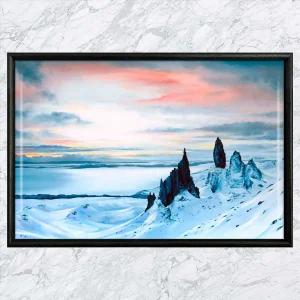
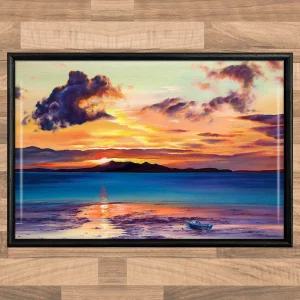
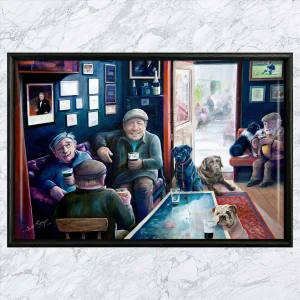
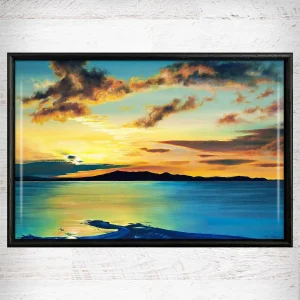
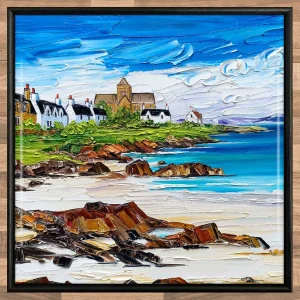
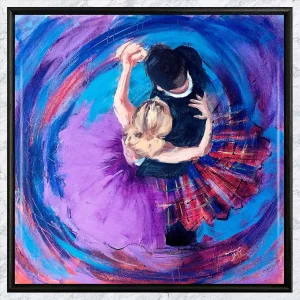
A framed tile is a ceramic tile set inside a picture frame. The frame protects the edges, adds a border that suits your décor, and makes hanging simpler and safer. Depending on the maker, you’ll see:
● Glazed or unglazed ceramic artwork (hand-painted, printed, or relief).
● Glazing or spacers: some are behind glass; others are raised (“float-mounted”) so the tile’s texture reads nicely.
● Conservation-grade backing and secure fixings, which matters in busy halls or kitchens.
● Glazed or unglazed ceramic artwork (hand-painted, printed, or relief).
● Glazing or spacers: some are behind glass; others are raised (“float-mounted”) so the tile’s texture reads nicely.
● Conservation-grade backing and secure fixings, which matters in busy halls or kitchens.
What is a wall plaque?
A wall plaque is a decorative panel that doesn’t require a frame. It might be ceramic, wood with engraving, cast resin, or metal. Plaques tend to be:
● Lighter overall (frame weight removed).
● Bigger visual footprint for the price.
● More rustic or casual in finish — great for cottage kitchens, porches, utility rooms.
● Lighter overall (frame weight removed).
● Bigger visual footprint for the price.
● More rustic or casual in finish — great for cottage kitchens, porches, utility rooms.
Look & feel: crisp border vs organic edge
Framed tile | Crisp, gallery-style finish; the frame adds a deliberate boundary, tidies edges and elevates the piece. Ideal when you already have framed prints and want cohesion.
Plaque | Organic, handcrafted vibe; edges are part of the charm. Works beautifully in eclectic walls where frames would feel too formal.
Plaque | Organic, handcrafted vibe; edges are part of the charm. Works beautifully in eclectic walls where frames would feel too formal.
Materials & durability
● Ceramic is tough either way, but the frame protects corners and glaze from bumps. That’s useful where doors swing or folk brush past.
● Plaques with wood or resin backers can nick or warp if damp. Ceramic plaques are more stable but still expose edges.
● Plaques with wood or resin backers can nick or warp if damp. Ceramic plaques are more stable but still expose edges.
Depth, weight & fixings
● Framed tiles weigh more but usually ship with proper sawtooth/D-ring fixings and cord, making them straightforward to hang on a wall plug or picture hook.
● Plaques are lighter and often use a single keyhole or wire. Easy to hang, easier to skew if knocked.
● Depth: framed pieces sit prouder from the wall (nice shadow line); plaques sit flatter (good for tight corridors).
● Plaques are lighter and often use a single keyhole or wire. Easy to hang, easier to skew if knocked.
● Depth: framed pieces sit prouder from the wall (nice shadow line); plaques sit flatter (good for tight corridors).
Where each shines
Living rooms, hallways, bedrooms | framed tiles blend with other framed art, read more “finished,” and gift well.
Kitchens and bathrooms | both work; framed tiles look polished above counters, plaques feel hearty and homely by a breakfast nook.
Rental walls / flimsy plaster | plaque weight can be friendlier; framed tiles need a proper fixing.
Kitchens and bathrooms | both work; framed tiles look polished above counters, plaques feel hearty and homely by a breakfast nook.
Rental walls / flimsy plaster | plaque weight can be friendlier; framed tiles need a proper fixing.
Cost & gifting
● Frames add materials and labour, so framed tiles tend to cost more — but they arrive gift-ready and feel special straight out the box. Plaques stretch budget further for larger scale.
Care & cleaning
● Framed with glazing: dust the glass and frame; avoid ammonia near frame finishes.
● Framed without glazing: soft, dry microfiber over the tile surface; no abrasives.
● Plaques: gently wipe; mind porous backings (wood/resin) around sinks and steam.
● Framed without glazing: soft, dry microfiber over the tile surface; no abrasives.
● Plaques: gently wipe; mind porous backings (wood/resin) around sinks and steam.


Buying checklist (quick and honest)
● Does the style match your other wall art — framed or free-form?
● Are you hanging it in a high-traffic or steamy area? (Edge protection matters.)
● What’s your wall like — solid, plasterboard, tiled? Choose fixings to suit.
● Do you want gift-ready presentation? (Framed wins.)
● Is budget vs scale the decider? (Plaque wins.)
● Are you hanging it in a high-traffic or steamy area? (Edge protection matters.)
● What’s your wall like — solid, plasterboard, tiled? Choose fixings to suit.
● Do you want gift-ready presentation? (Framed wins.)
● Is budget vs scale the decider? (Plaque wins.)
The takeaway
If you want a polished, gift-ready piece that plays nicely with framed prints, choose a framed tile. If you want easy charm, more size for your money, and a relaxed feel, a wall plaque is spot on. You can absolutely mix both — frame for focal points, plaques for clusters and corners.
Curious to know more about Framed Tiles? Wander over to our Framed Tiles Hub. Browse our Framed Tiles for inspiration.
Curious to know more about Framed Tiles? Wander over to our Framed Tiles Hub. Browse our Framed Tiles for inspiration.